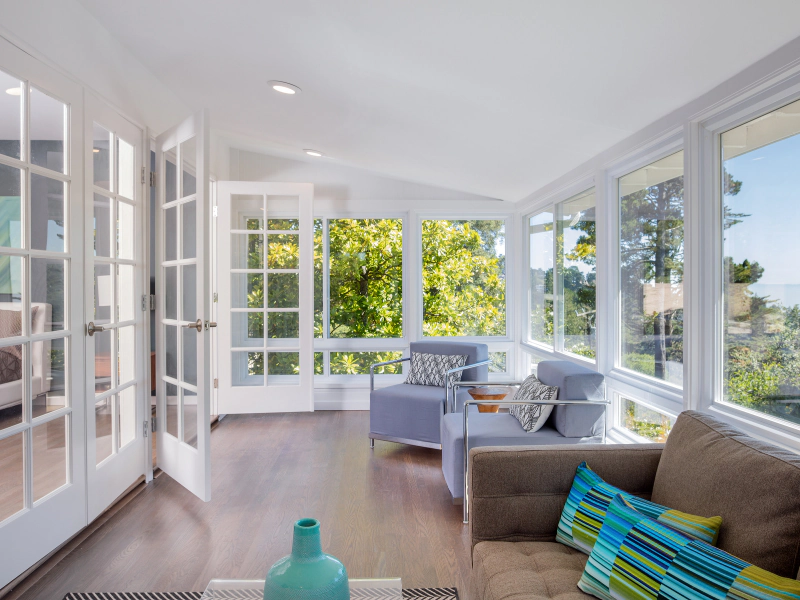
Planning Your Sunroom: Permits, Orientation, and Design Decisions
Before you break ground, the planning phase determines whether your sunroom becomes your favorite retreat or an expensive mistake. Start with zoning and permits. In Chattanooga, you’ll need a building permit for any sunroom addition, and setback requirements vary by neighborhood. Properties near Lookout Mountain or within historic districts often face additional restrictions. Submit your plans to the city’s Development Services department early, because permit reviews can take three to six weeks during spring and summer when construction demand peaks.
Orientation matters more than most homeowners realize. A south-facing sunroom captures maximum winter sunlight, which feels wonderful on chilly January mornings when temperatures dip into the 30s. But that same orientation can turn your sunroom into a greenhouse by July, with afternoon temperatures climbing uncomfortably high even with air conditioning. East-facing designs give you gentle morning light without brutal afternoon heat gain, while north-facing sunrooms stay cooler but miss out on that warm, sunny feeling most people want. West-facing glass brings stunning sunset views but requires serious window treatments or high-performance glazing to manage late-day heat, especially during our long summer evenings.
Design choices at this stage have lasting consequences. Will you use the sunroom year-round or just three seasons? That answer drives insulation requirements, HVAC decisions, and glass selection. Chattanooga’s humidity swings from muggy summers to damp winters, so ventilation planning can’t be an afterthought. Think about how the sunroom connects to your existing home. A seamless transition from your kitchen or living room requires careful attention to floor heights, door placement, and sightlines.
Working with an experienced home addition contractor during planning saves headaches later. ImproveAmerica Inc handles permit applications, coordinates with city inspectors, and catches design issues before they become construction problems. We’ve built enough sunrooms around Chattanooga to know which orientations work best for different neighborhoods and how to design for our specific climate without over-engineering or cutting corners.
Foundation and Structural Prep: Building on Solid Ground
Your sunroom is only as good as what’s underneath it. Foundation work separates additions that last decades from those that crack, settle, or pull away from the house within a few years. Chattanooga sits on a mix of clay soils and limestone bedrock, and what’s under your yard determines foundation strategy. Clay soils expand when wet and contract when dry, creating movement that can crack concrete slabs or cause piers to shift. A proper site assessment includes soil testing and drainage evaluation before you pour anything.
Most sunrooms use one of three foundation approaches: a concrete slab on grade, a crawlspace with pier and beam construction, or a full foundation that matches your home’s existing structure. Slab foundations work well on stable, well-drained sites and cost less, but they require excellent sub-base preparation and perimeter drainage to prevent settling. Pier and beam systems handle sloped lots better and allow for adjustments if minor settling occurs, though they need proper ventilation to prevent moisture buildup in our humid climate. If your existing home has a basement or crawlspace, matching that foundation type usually creates the most stable structural tie-in.
Connecting the sunroom foundation to your home’s existing structure is critical. The attachment point needs to handle lateral loads from wind (we get some strong spring storms rolling through the Tennessee Valley) and transfer the sunroom’s weight without stressing your home’s original framing. Proper flashing at the connection prevents water infiltration, which is especially important where the new roofline meets your existing siding or brick. Miss this detail and you’re inviting rot, mold, and interior water damage.
Drainage planning happens during foundation work, not after. Gutters, downspouts, and grading need to move water away from both the new foundation and your home’s existing structure. Chattanooga’s spring rains can dump several inches in a few hours, and poor drainage undermines even the best foundation work. French drains or channel drains may be necessary if your lot doesn’t naturally shed water away from the house.
This phase requires experienced builders who understand local soil conditions and building science. Our team has poured foundations across Chattanooga’s varied terrain, from relatively flat Signal Mountain lots to sloped properties in Red Bank, and we know how to build for long-term stability in Tennessee conditions.
Framing, Roofing, and Glass: Creating Your Climate-Controlled Envelope
Once the foundation is set, framing determines your sunroom’s shape, glass area, and structural integrity. Most sunrooms use either traditional stick-built framing (wood or engineered lumber) or aluminum extrusion systems designed specifically for glass enclosures. Stick-built framing offers more design flexibility and integrates seamlessly with your home’s existing architecture, while aluminum systems provide clean sightlines and large glass expanses. For year-round comfort in Chattanooga’s climate, insulated framing with thermal breaks matters. Aluminum conducts heat and cold readily, so uninsulated frames can sweat with condensation during our humid summers and feel cold to the touch in winter.
Glass selection makes or breaks your sunroom’s livability. Single-pane glass is inexpensive but essentially useless for climate control. You’ll roast in summer and freeze in winter. Double-pane insulated glass with low-E coatings is the minimum for a year-round sunroom. Low-E (low-emissivity) coatings reflect infrared heat while allowing visible light through, reducing solar heat gain in summer and retaining interior warmth in winter. For west or south-facing glass that takes direct afternoon sun, consider triple-pane or laminated glass with advanced coatings. The upfront cost difference is a few thousand dollars; the comfort and energy savings pay back within a few years.
Roof design balances aesthetics, weather protection, and thermal performance. All-glass roofs create a dramatic, open feeling but intensify heat gain and require excellent shading solutions or very high-performance glass. Insulated solid roofs (matching your home’s shingles or standing seam metal) provide better thermal control and weather protection but reduce the airy, light-filled feel. Many homeowners choose a hybrid: partial glass roof panels for natural light plus insulated sections for shade and energy efficiency. Whatever you choose, make sure the roof pitch sheds water quickly. Our spring storms can deliver intense rainfall, and flat or low-slope roofs invite leaks.
Insulation goes beyond the glass. Knee walls, headers, and any solid roof sections need proper insulation to prevent thermal bridging and condensation. In Chattanooga’s muggy summers, cold air conditioning meeting warm, uninsulated surfaces creates dripping condensation that damages finishes and promotes mold. Spray foam insulation works exceptionally well in sunroom applications because it seals air leaks while providing high R-value in tight spaces.
Weatherproofing details separate quality construction from future headaches. Every window and door needs proper flashing. Roof-to-wall transitions require ice and water shield underlayment and careful shingle integration. Skylight and glass roof panels need structural gaskets and weep systems to handle condensation. As a construction company with decades of experience in room additions, we’ve learned that the details you can’t see determine long-term performance more than the features you can.
Climate Control and Finishes: Making Your Sunroom Livable Year-Round
A beautiful sunroom that’s too hot in summer or too cold in winter doesn’t get used. Climate control integration is non-negotiable for year-round comfort. The question is whether to extend your existing HVAC system or install a separate heating and cooling solution. Extending ductwork from your home’s central system works if your furnace and air conditioner have sufficient capacity to handle the added square footage. Most sunrooms add 150 to 300 square feet, and if your HVAC system is already running at capacity, adding more load will make the whole house less comfortable.
A ductless mini-split heat pump offers an excellent alternative. These systems mount on the wall, require only a small refrigerant line connection to an outdoor compressor, and provide both heating and cooling with exceptional efficiency. They’re ideal for sunrooms because you can control the temperature independently from the rest of your house. On a mild spring morning when you want the sunroom warm but the rest of the house cool, independent control gives you exactly what you want without compromise. Installation is straightforward and less invasive than running new ductwork through your existing home.
Ceiling fans are essential, not optional. Even with good air conditioning, a sunroom’s large glass areas create temperature stratification, with hot air collecting near the ceiling. A quality ceiling fan keeps air moving, evens out temperatures, and reduces your cooling costs. In Chattanooga’s shoulder seasons (late April and early October), a ceiling fan often provides all the comfort you need without running the air conditioner at all.
Electrical planning includes more than just lighting. Think about where you’ll place furniture and what you’ll use the sunroom for. If it’s a reading nook, you need task lighting and outlets for lamps. If it’s a dining space or entertainment area, consider outlet placement for serving, electronics, or holiday decorations. Under-cabinet or cove lighting adds ambiance for evening use. Dimmer switches let you adjust light levels as natural daylight fades. Plan electrical during framing, not after drywall goes up.
Flooring must handle sunlight exposure and temperature swings. Carpet fades quickly in direct sun and traps moisture in our humid climate. Luxury vinyl plank (LVP) offers the look of hardwood with better dimensional stability and UV resistance. Porcelain tile works beautifully, stays cool underfoot in summer, and handles moisture without issue, though it can feel cold in winter unless you add area rugs. If you love the warmth of real wood, choose engineered hardwood over solid; it handles humidity changes better and is less likely to cup or gap. Stain or finish samples should sit in the actual sunroom space for a few days to see how they look in changing natural light before you commit.
Window treatments balance light control, privacy, and aesthetics. Cellular shades provide excellent insulation, trapping air in their honeycomb structure to reduce heat gain and loss. Solar shades block UV and heat while maintaining outward views. Motorized treatments are worth considering if you have high or hard-to-reach windows. The ability to adjust shades with a remote or smartphone app means you’ll actually use them, which directly impacts comfort and energy costs.
Final Inspections and Maintaining Your Sunroom for Years of Enjoyment
Before you move furniture in and start enjoying your new sunroom, final inspections ensure everything meets code and performs as designed. Chattanooga requires a final building inspection that covers structural integrity, electrical work, HVAC installation, and energy code compliance. Your builder schedules this inspection and walks through with the inspector to address any findings. Reputable builders welcome inspections because they verify quality work and protect you as the homeowner. Any deficiencies get corrected before you receive your certificate of occupancy.
Beyond official inspections, do your own walkthrough with your builder. Test every window and door. They should open smoothly, latch securely, and seal tightly without gaps. Check that screens fit properly and aren’t damaged. Turn on all lights, outlets, and HVAC equipment to confirm everything works. Look at finish details: are trim joints tight, caulk lines clean, paint or stain even? A quality builder takes pride in these details and will address anything that’s not right.
Once you’ve moved in, a little maintenance keeps your sunroom looking great and performing well for decades. Clean glass regularly, especially after Chattanooga’s pollen-heavy springs when a yellow film coats everything. Use a quality glass cleaner or a simple vinegar and water solution. For hard-to-reach exterior glass, an extension pole with a microfiber pad saves you from dangerous ladder work. Inspect weatherstripping and caulk annually. Tennessee’s temperature and humidity swings can cause sealants to shrink or crack over time. Replacing a few beads of caulk is a small job that prevents water infiltration and energy loss.
Check your sunroom’s roof and gutters seasonally. Leaves from fall and spring storms can clog gutters and cause water to back up under shingles or into soffits. If you have a glass roof, inspect the gaskets and seals for any signs of leakage or deterioration. Trim back tree branches that overhang the sunroom. Falling limbs during storms can crack glass or damage roofing, and overhanging branches deposit debris that holds moisture against your roof.
HVAC filters need regular replacement, whether you extended your home’s central system or installed a ductless unit. A dirty filter reduces efficiency, increases energy costs, and shortens equipment life. If you have a mini-split, clean the indoor unit’s filter monthly during heavy use seasons. Ceiling fan blades collect dust (especially in a sunroom where airflow is constant), so wipe them down a few times a year to maintain air quality and efficiency.
Watch for condensation, especially during our humid summer months. A little condensation on glass during extreme temperature differences is normal, but persistent moisture on windows, walls, or ceilings indicates a ventilation or insulation problem that needs attention. Left unchecked, chronic moisture leads to mold, wood rot, and finish damage. If you notice ongoing condensation issues, contact your builder to diagnose and fix the root cause.
Your sunroom should bring joy, not stress. With thoughtful planning, quality construction, and simple ongoing care, it becomes one of your home’s most-loved spaces. Whether you’re sipping morning coffee while watching the sunrise over the Tennessee River valley, hosting family dinners with a view of your backyard, or curling up with a book on a rainy afternoon, a well-built sunroom connects you to the outdoors in comfort every season. If you’re ready to start planning your sunroom project, contact us to discuss your vision, your site, and how we can bring your dream sunroom to life with the quality and attention to detail that makes it a space you’ll love for years to come.